
Cooking over fire is a universal language and ancient practice that can be traced back to humans’ earliest days. Also, it’s just fun as hell to stare into the glow of embers and leaping flames and watch your sausage, steak, or chicken wings slowly blister, their edges darkening while fat renders off.
When cooking over a fire, you really get to feel the literal heat and witness the cooking process in a way that ovens, and even frying pans, don’t really provide. That’s some real primordial stuff right there.
But taming flames is not always an easy thing to do for beginners interested in barbecuing. There are things to consider. What’s your fuel source? How can you maintain heat without overdoing it? Maybe most importantly, how can you attempt this without risking serving a pile of charcoal sausages to a group of hungry guests?
It turns out that heat management is as important to grilling as selecting the right sausages. For a little insight, we spoke to Mike Nugent, CEO and pit master at Dinosaur Bar-B-Que, and Morgan Bolling, the executive editor at America’s Test Kitchen (which just published The Complete Grilling & Barbecue Cookbook), for practical grillmaster advice on managing grill heat.
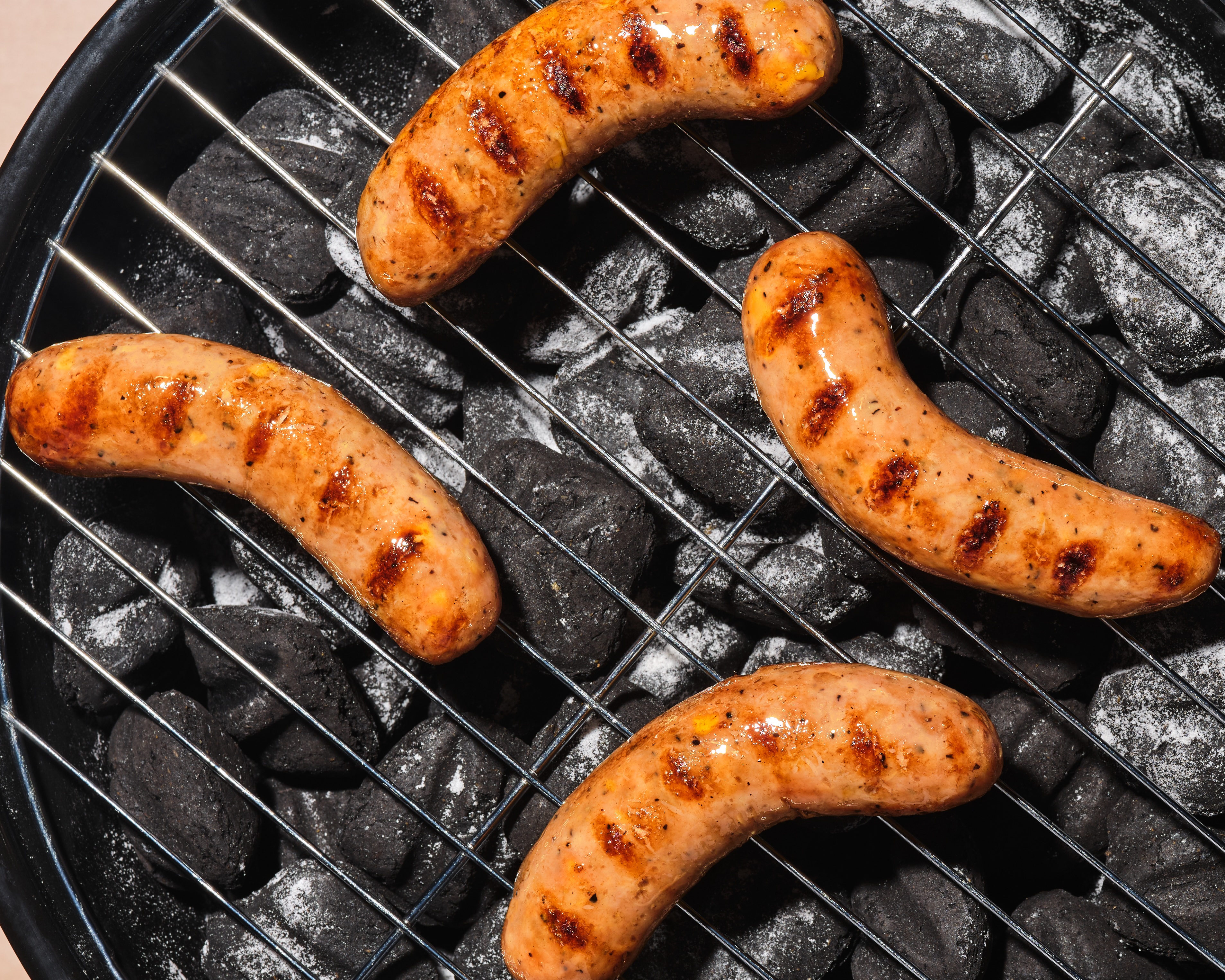
Preheat Your Grill Before You Start Cooking
Unlike stoves, which can provide immediate heat, grills need more time to warm up—especially because they have larger surface areas than your standard frying pan. Methods of preheating differ depending on your fuel source.
“For a gas grill, preheat covered with all burners on high for 15 minutes,” Bolling advises. “For charcoal, cover and preheat for about 5 minutes after your coals are ready.”
It’s important to preheat your grill not only to have steadier cook times, but also to ensure your food doesn’t stick to the grates—a frustrating occurrence for all involved. To really drill down the desired non-stickability of your grill, Bolling also encourages cleaning the grates and brushing them down with oil before adding food.
Create Heat Zones (and Stop Constantly Flipping Your Food)
In the same way that a watched pot never boils, a slab of meat on the grill won’t cook properly if you keep helicopter parenting it.
“One of the biggest mistakes first-time grillers make is hovering over the food and constantly flipping or moving it,” says Nugent. Instead, Nugent suggests expending your energy into managing the heat on the grill.
“Set up clear temperature zones on your grill—one side hot and the other medium-hot—so you can control how quickly things cook.” You can do this with a thermometer to be especially precise. From there, trust the process and let the flames do the work. Letting the meat hang tight will ensure a better char, which leads to better flavor and texture (just like how you should leave a steak to sear and form a crust before you move it).
In other words: put the tongs down for a minute and hang out with your guests.
Choose the Right Fuel for Your Cooking Style
Some folks swear by charcoal, and have unique opinions about the subtle nuances between mesquite and cherry wood. Some prefer gas. Others go full “liquid boyscout” by dousing a bunch of briquettes with kerosine and throwing a match on top.
There are pros and cons to every fuel source (more cons than pros on that last bit), so prioritize what you want from your grill—whether that’s a signature smokiness imbued in your food or convenience.
“Charcoal is my favorite for pure grilled flavor,” Bolling says. “You get a slight smokiness that comes from fat dripping onto hot coals and vaporizing. It's hard to replicate.”
But if you’re looking for ease and a more controlled heat, gas and electric are the winners. “There’s no waiting for coals and they both provide easier cleanup,” Bolling says. “I tend to lean on them for weeknight meals like burgers and grilled chicken. But when I want maximum char or I'm doing low-and-slow cooking, I go with charcoal.”
If you are using an electric or gas grill but still want an added layer of smoke, Bolling suggests experimenting with the addition of wood chips, which can be added with any type of grill.

Learn How to Handle Flare-Ups
At some point, every griller encounters the same moment of panic: fat drips onto the flames, the grill suddenly roars to life, and dinner briefly looks like it was directed by Michael Bay.
Don’t panic. Flare-ups are a normal part of grilling, especially when cooking fattier proteins or using a lot of oil. Instead of blasting food directly over aggressive flames, move it temporarily to a cooler heat zone and allow the fire to calm down. Keeping your grill lid nearby can also help reduce oxygen flow and tame stubborn flames.
A little char is delicious. A full-on grease fire? Less so.
Don’t Forget Basic Grill Safety
Anyone can grill; in fact, we’d say it is instinctual to enjoy the act of cooking things of flames. But when it comes to fire—an element that can quickly spiral—it’s important to be safe. Bolling’s top safety tips include keeping the barbecue a safe distance from your home and anything flammable and always cooking on flat, stable ground (you don’t want a flaming barbecue rolling away).
You should also “never leave a lit grill unattended,” he says, and “if you’re using a gas grill, follow the manufacturer’s instructions for lighting. Don’t assume [how to light it.]”
Beyond protecting your property, food safety is also important when it comes to barbecues. Don’t leave your proteins out at room temperature for too long and “avoid cross-contamination by using separate tools and plates for raw and cooked meats,” Bolling advises.
Read more: Now that you’ve mastered heat management, it’s time to learn to how grill the perfect sausage every single time.